
Teen Hormonal Acne
7 Things No One Tells You About Teenage Hormonal Acne (And Why Most Treatments Fail)
A pediatric dermatologist on why your teen's breakouts keep coming back — and the internal approach finally helping families break the cycle.
 By Dr. Elena Ramirez·Board-Certified Pediatric Dermatologist
As a board-certified pediatric dermatologist who has treated thousands of teens with acne, I see the same heartbreaking pattern every week.
Exhausted parents watch their teens lose confidence, withdraw from friends, and avoid photos because of persistent breakouts — even after trying every cleanser, cream, and prescription topical available.
You are not failing as a parent, and your teen is not at fault.
Teenage acne is rarely just a skin problem. It is almost always driven by internal hormonal changes that most conventional treatments never fully address.
The good news? There is a better way.
Today, I'm sharing the 7 most important truths I wish every parent knew sooner — including the internal approach that's finally helping many of my patients break the cycle for good.
Why "normal" teen acne is usually hormonal — and why surface treatments alone rarely solve it.
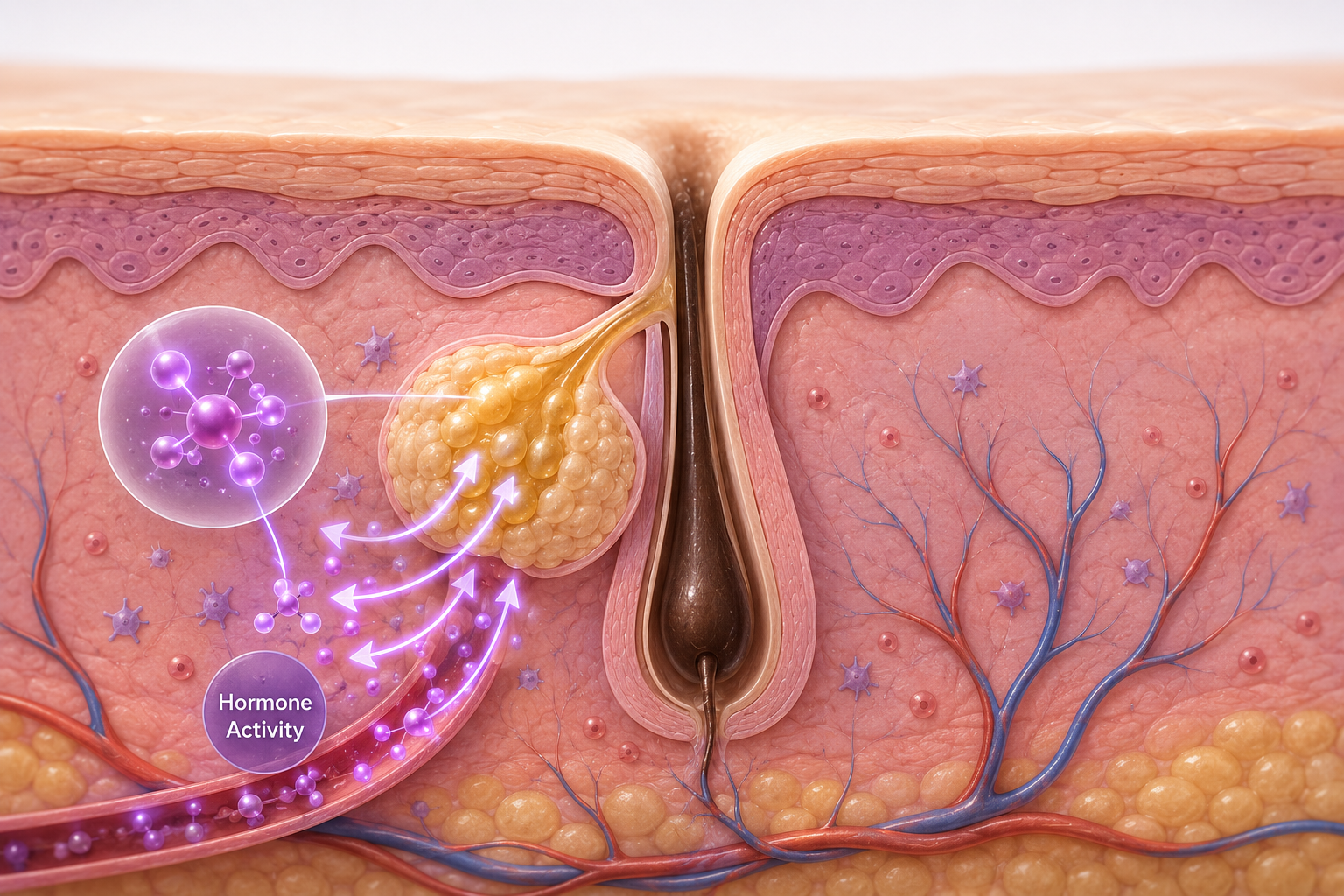
During puberty, fluctuating hormones — especially androgens — trigger excess oil production deep inside the pores.
This internal process mixes with dead skin cells and bacteria, creating inflammation and breakouts, particularly on the cheeks, jawline, back, chest, and shoulders.
Most topical treatments can help calm surface symptoms temporarily, but they do not correct the internal hormonal drivers.
That is why so many teens see short-term improvement only for the breakouts to return stronger weeks or months later.
The hidden reason most creams, washes, and antibiotics eventually stop working.
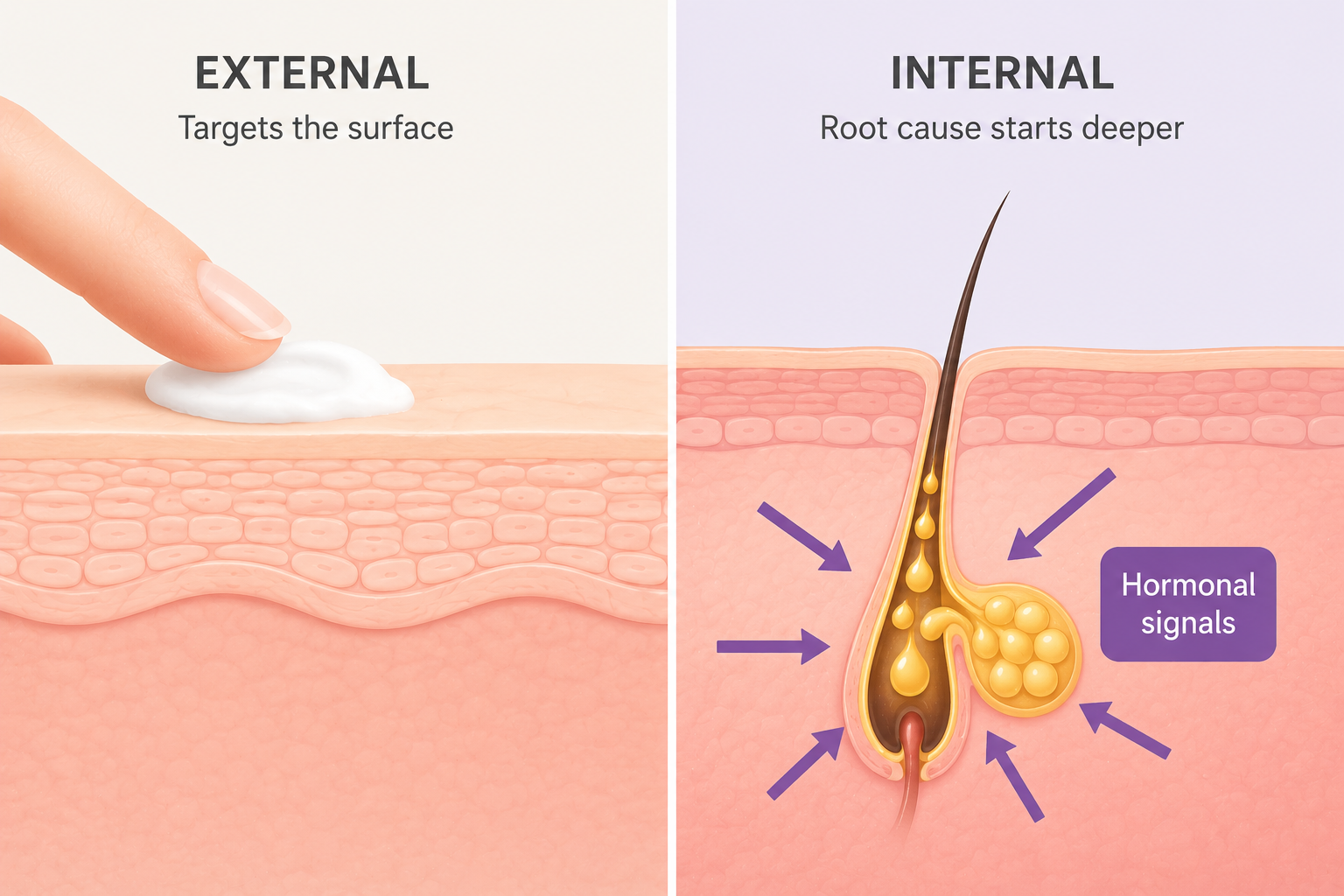
Here is what I explain to parents every day in my practice:
Topical treatments — whether over-the-counter or prescription — only work on the outside of the skin.
They try to kill bacteria, unclog pores, or reduce surface inflammation, but they do not address what is happening internally, where teenage acne actually begins.
Hormonal fluctuations continue to drive excess oil production from within.
Without supporting the body internally, the root cause remains active. That is the primary reason why even the best creams and antibiotics often lose effectiveness over time.
As a secondary issue, many teens also find these topicals difficult to use consistently. The formulas can burn, feel greasy, or require too much time in a busy teenager's routine.
But even perfect compliance cannot overcome the fundamental limitation: they are external solutions to an internal problem.
The scarring and confidence damage that lasts long after the breakouts are gone.
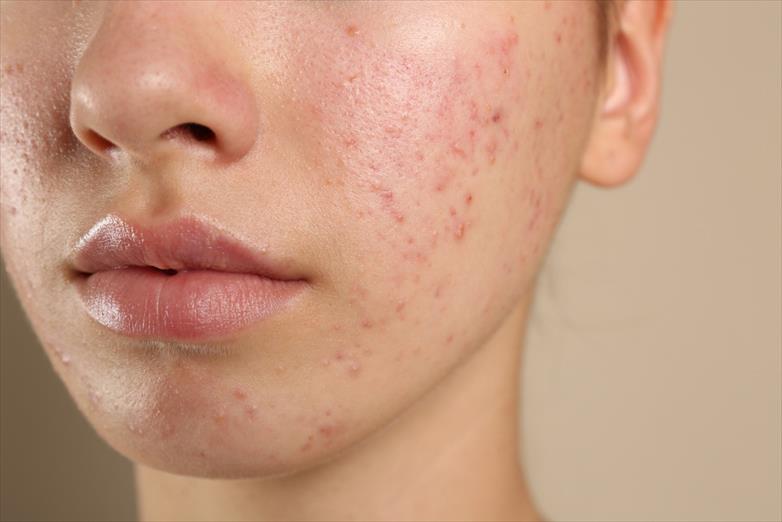
This is the part that concerns me most as a doctor.
Even when active acne eventually improves, many teenagers are left with red marks, dark spots, and in some cases permanent scarring.
More importantly, the emotional impact runs deep.
I have watched outgoing, confident kids become self-conscious, anxious, and withdrawn because of their skin.
The earlier we begin supporting the skin from the inside, the better our chances of clearing active breakouts and helping prevent long-term scarring.
Why Accutane and birth control feel like the only options left — but aren't.
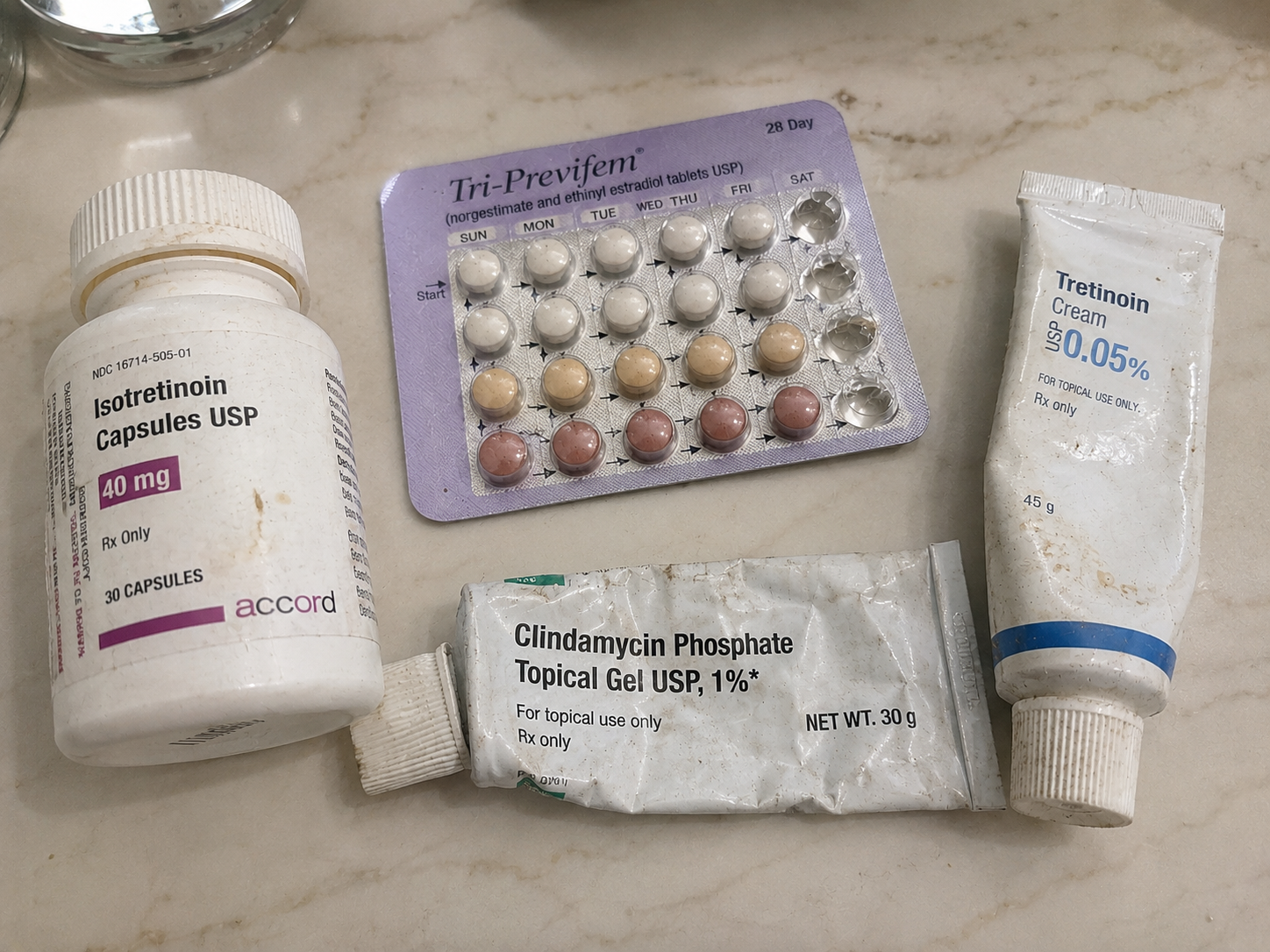
When nothing else seems to work, many families feel pushed toward stronger medications such as Accutane or hormonal birth control.
Medications like Accutane work for addressing the internal causes of acne, however, with that comes major side effects most families aren't ready for.
Joint pain, depression, birth defects, high cholesterol are just to name a few.
I completely understand the hesitation and fear — I've sat with parents in tears worrying about the side effects.
The good news is that gentler, more targeted internal options now exist.
The power of pediatric dermatologist–backed internal support.
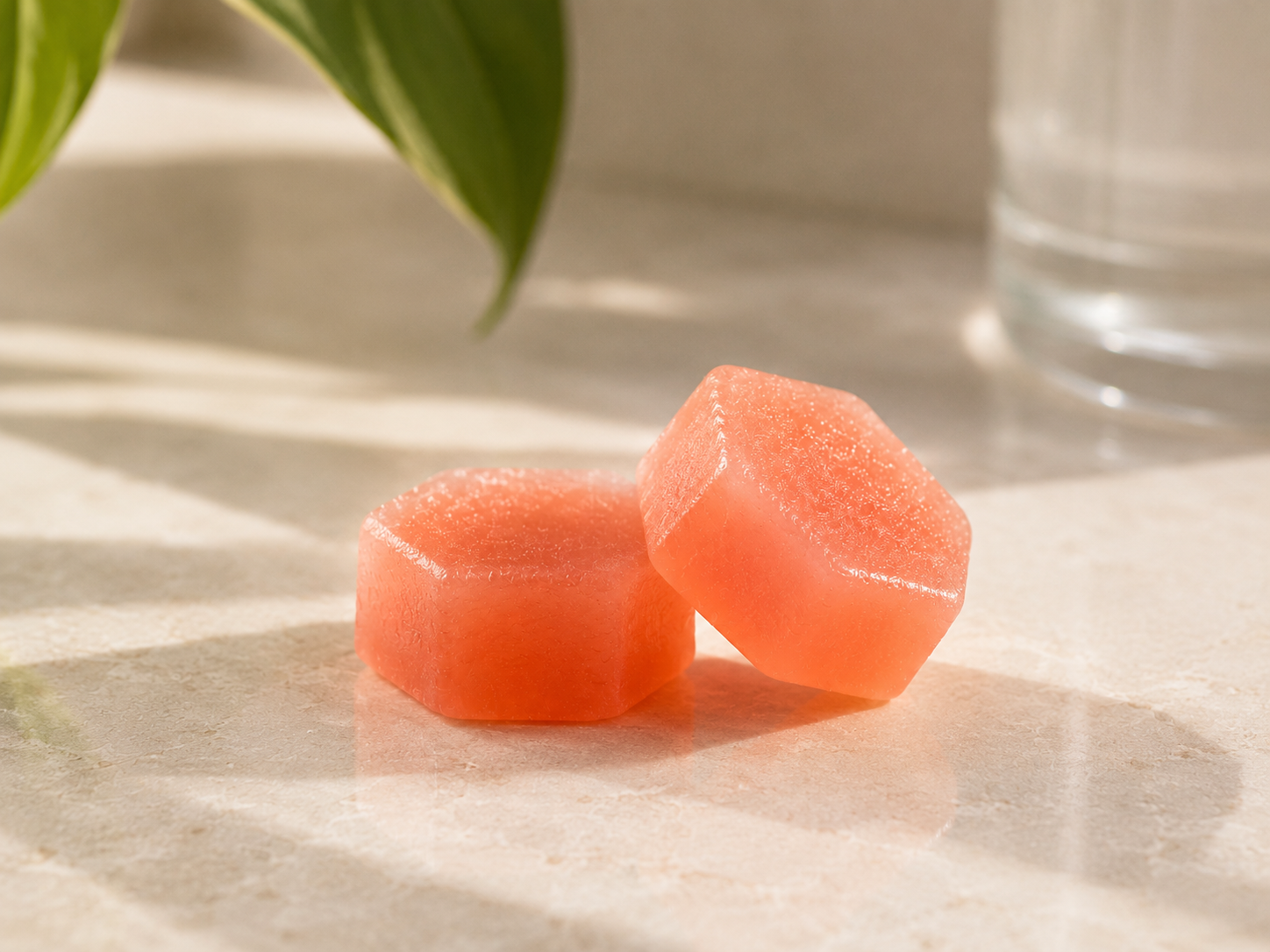
After years of seeing the same frustrating cycle, I began focusing on solutions that could safely support the body from the inside — where the real hormonal drivers of acne originate.
The most promising internal approaches combine targeted nutrients that help balance hormones, calm inflammation, and regulate oil production naturally.
One formula that stands out in my experience is a convenient gummy format specifically developed for teenagers.
These gummies work internally to support the root causes rather than just masking surface symptoms.
Real results from real teens — what I'm seeing in practice.
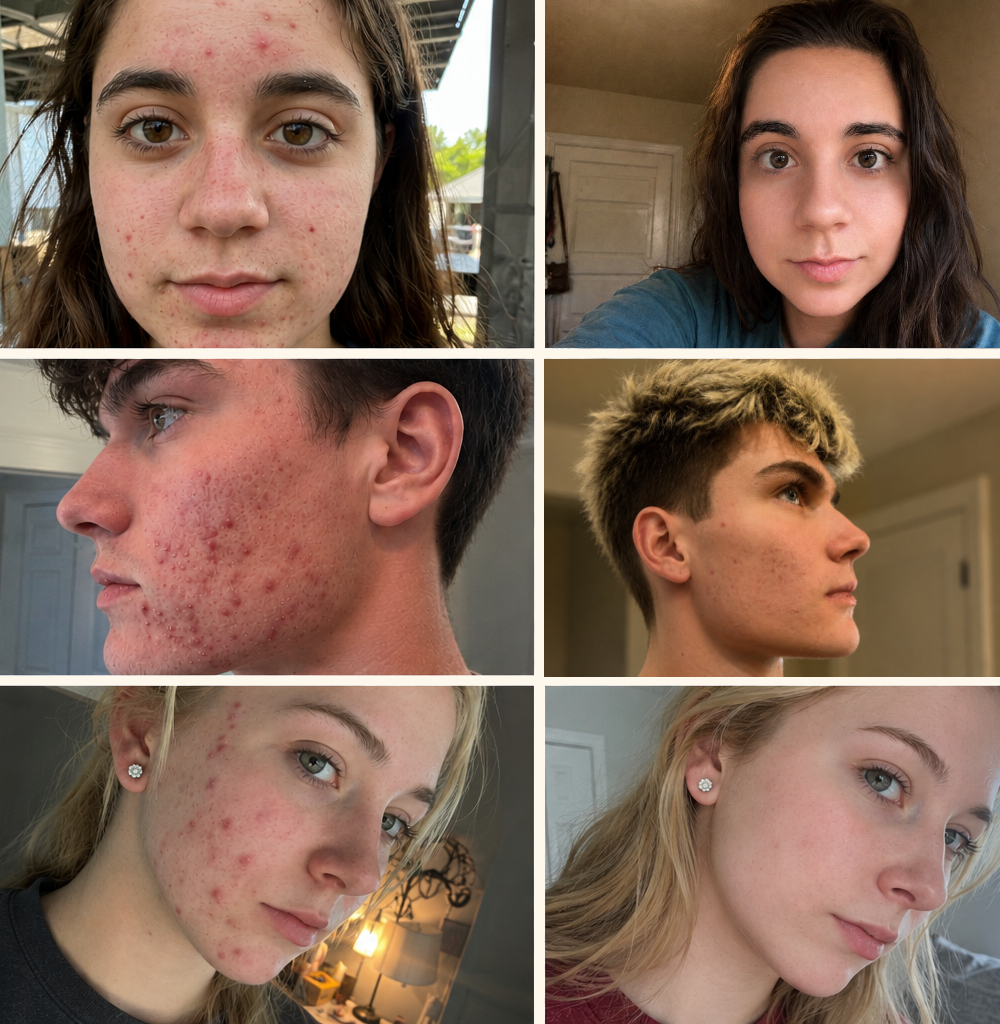
In my own practice and through clinical feedback, the results from this internal approach have been impressive.
Teens using this support are showing visible improvements in as little as 4–8 weeks — clearer skin, reduced redness and inflammation, fading of post-acne marks, and most importantly, a noticeable return of confidence.
I have seen patients who once avoided social situations now smiling in photos and engaging with friends again.
These transformations are exactly why I became a pediatric dermatologist.
The simple daily solution that's finally working for thousands of moms and teens.
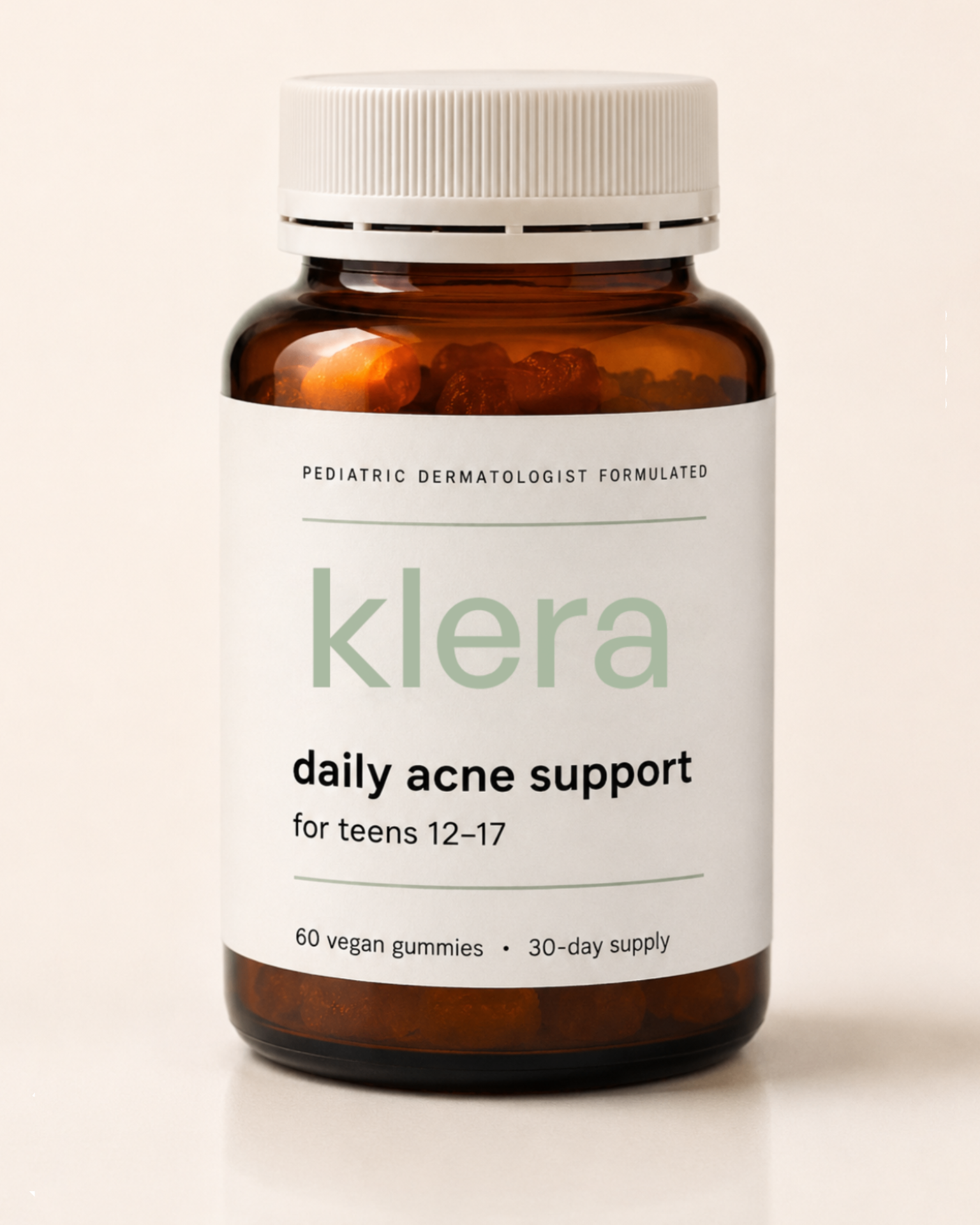
After everything you have already tried, the missing piece may be surprisingly straightforward: one delicious gummy a day that supports your teen's skin from the inside, where acne actually begins.
This is the internal approach I recommend to families looking for a gentle yet effective option.
The formula I trust most is called Klera — a pediatric dermatologist–informed gummy specifically designed for teenage hormonal acne.
Klera works by supporting healthy hormone balance, helping reduce internal inflammation, and promoting clearer skin without the mess or daily battles over topical creams.
If your teen is struggling with stubborn hormonal acne and you're tired of watching their confidence suffer, this could be the solution you've been hoping for.
Ready to help your teen finally get clear skin?
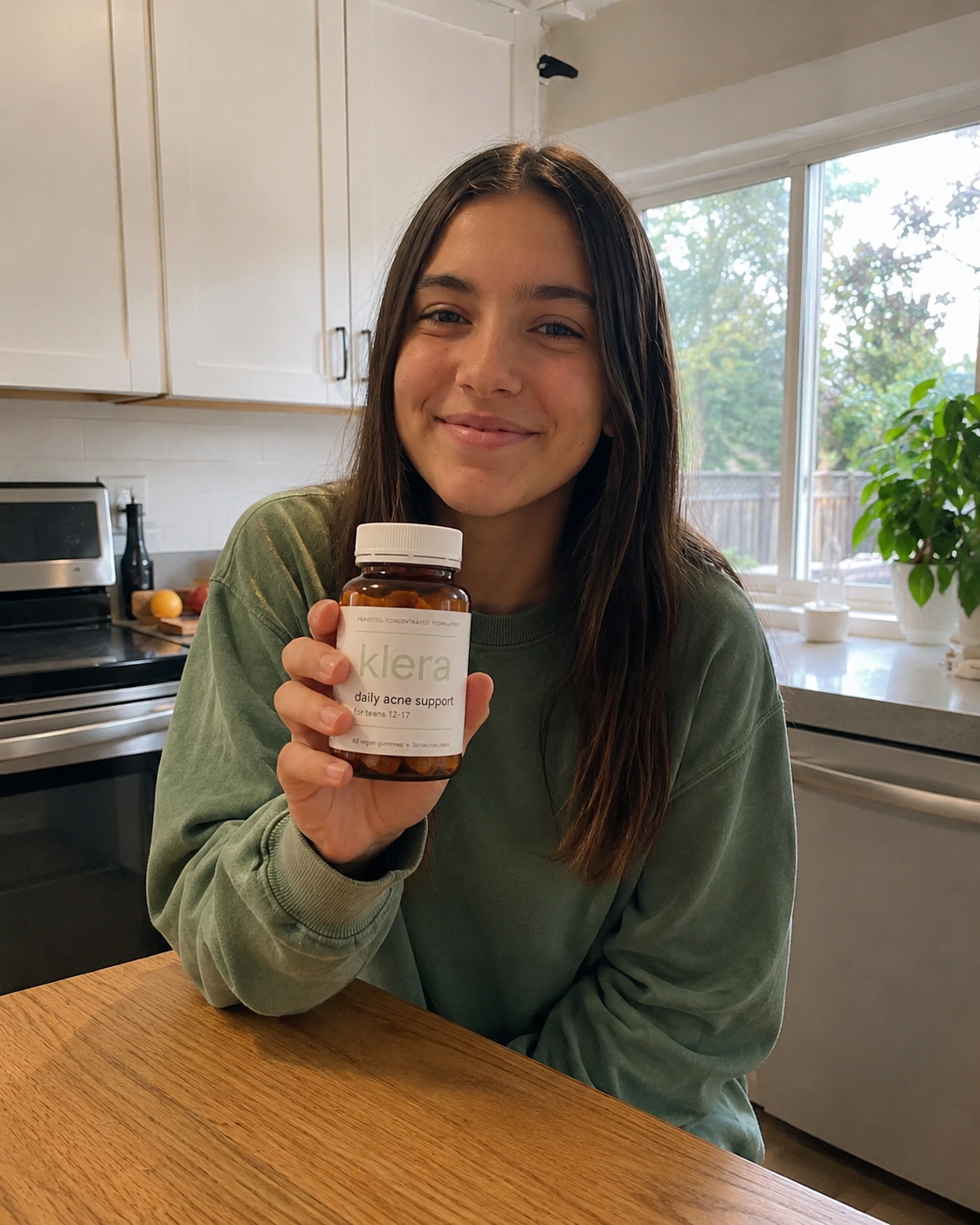
I have seen this internal approach change lives in my practice.
The combination of real clinical support, visible before-and-after results, and the simple gummy format makes it one of the most practical and promising options available for today's teenagers.
Your teen deserves to feel confident in their own skin again.
And you deserve to feel hopeful again as a parent.
With care,
Dr. Elena Ramirez
Board-Certified Pediatric Dermatologist